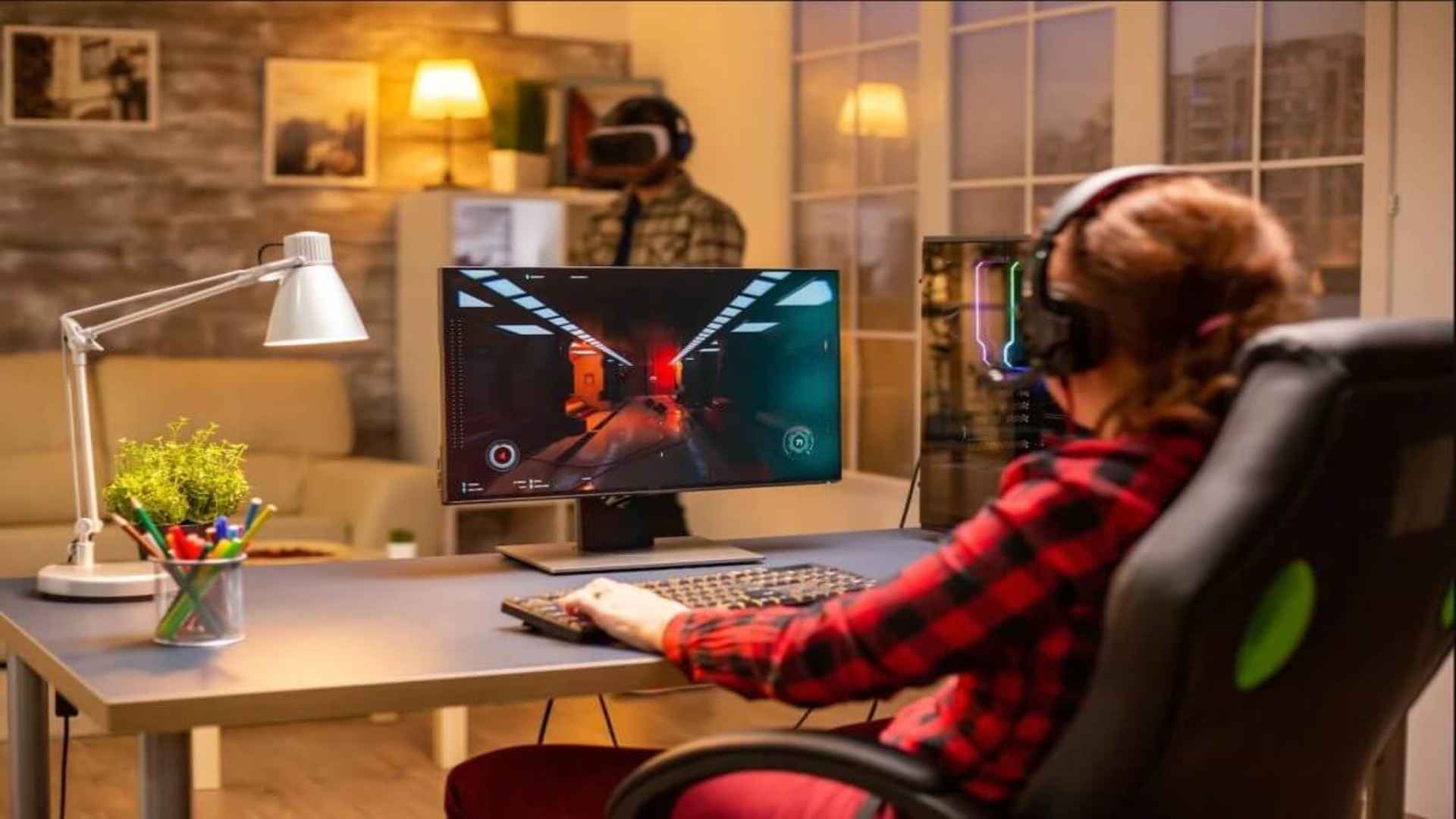
The landscape of digital entertainment is shifting rapidly, driven by the demand for deeper engagement and more immersive experiences. Among these innovations, traditional wheel-based games are undergoing a major evolution, transitioning from passive visual spectacles into highly interactive digital adventures. This next generation of play is reshaping how players connect, compete, and enjoy virtual outcomes on modern platforms.
The Shift to Immersive Visual Environments
Modern developers are leveraging advanced graphics and real-time streaming technology to turn simple spinning wheels into breathtaking interactive worlds. Instead of looking at flat representations, players now step into dynamic virtual studios equipped with multiple camera angles and responsive lighting systems. These high-definition elements adapt instantly to every spin, intensifying the excitement as the pointer approaches its final destination.
Furthermore, the integration of professional hosts brings a human touch to the digital space, bridging the gap between land-based casinos and online conveniences. This human element encourages live interaction, allowing participants to share the suspense with a global community. As these visual and social features continue to improve, the overall user experience becomes significantly more personal and memorable.
Enhanced Control and Customization Features
The future of interactive wheel play places a strong emphasis on giving players more control over their gaming experience. Traditional setups relied on a single fixed format, but modern iterations introduce customizable elements, allowing individuals to choose their own volatility levels or interactive paths. This level of customization ensures that both cautious beginners and high-stakes enthusiasts find a setting that matches their personal preferences.
In addition to customizable risk levels, cutting-edge mechanics now include mini-games and secondary bonus rounds triggered directly from the main wheel. This layered approach prevents the core gameplay from feeling repetitive and keeps participants engaged for longer periods. For those looking to explore these complex options, specialized platforms like Msports offer a wide variety of advanced interfaces that showcase how these features function. These platforms provide a safe space to explore different game mechanics and understand modern risk management techniques.
Integrating Advanced Physics and AI Technology
Beyond visual upgrades, the backend technology powering modern interactive wheels is becoming highly sophisticated. Developers are now utilizing complex physical simulators and certified random number generators to ensure that every deceleration looks and feels incredibly lifelike. This dedication to realistic motion helps build trust with audiences, as the natural friction of the virtual wheel mirrors real-world physics.
At the same time, artificial intelligence is beginning to play a role in tailoring the gaming journey for individual users. Smart systems can analyze playstyles in real time, offering helpful suggestions or adjusting minor interface features to optimize comfort and visibility. By combining scientific precision with user-centered AI, the industry ensures that future gaming sessions remain fair, transparent, and endlessly entertaining.