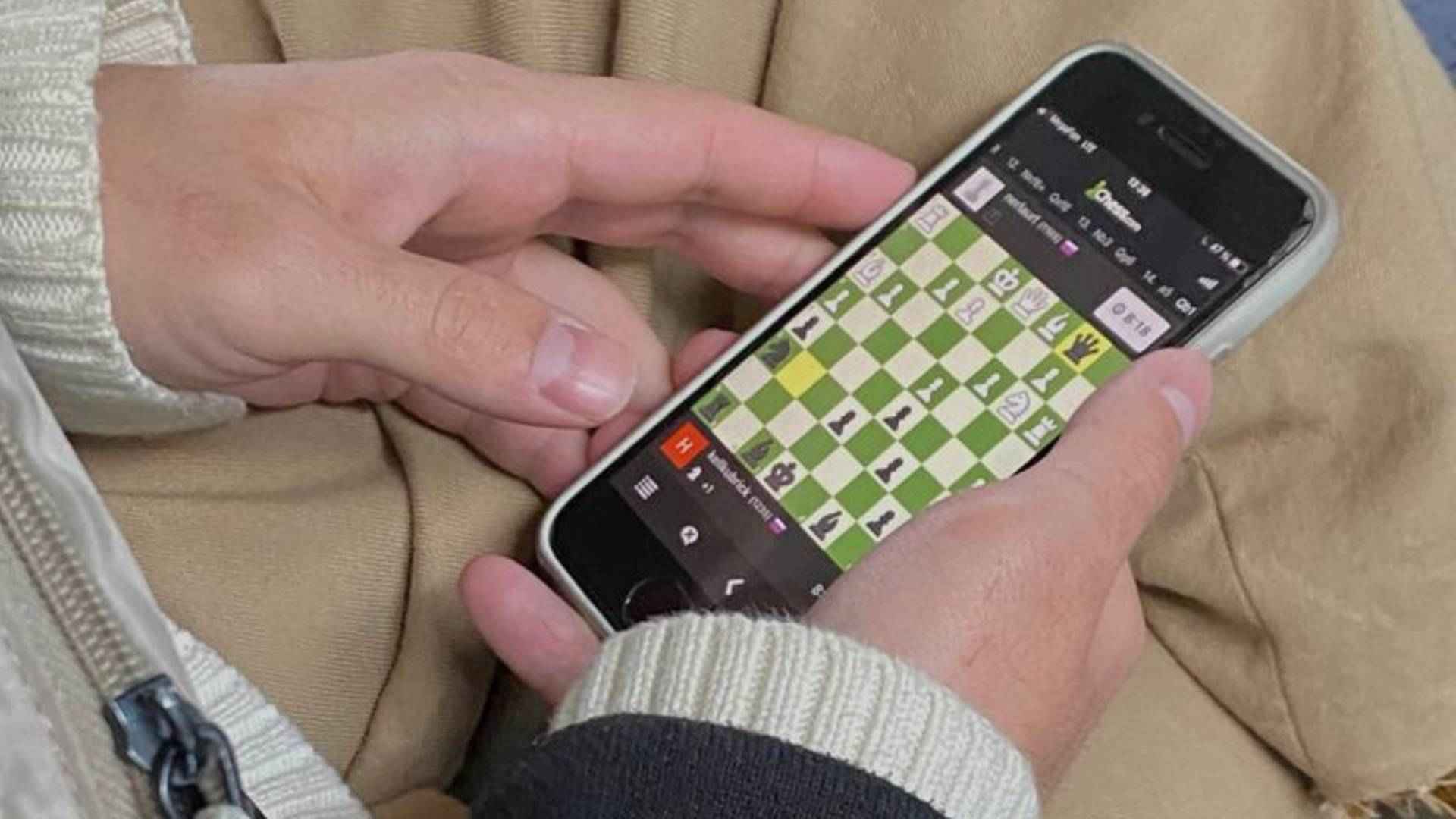
Modern board games have evolved far beyond simple pastimes into intellectual exercises that challenge our cognitive skills. By placing players in complex scenarios with limited resources, these games provide an excellent laboratory for practicing real-world analysis. Engaging in regular tabletop sessions helps individuals sharpen their critical thinking and learn how to manage unpredictable risks effectively.
The Psychology of Risk Assessment on the Tabletop
Every dynamic board game forces participants to evaluate potential rewards against the probability of failure. Players must analyze their current position, predict their opponents' future moves, and determine the safest path forward. This continuous loop of assessing vulnerabilities closely mirrors the tactical choices required in professional environments.
Furthermore, games introduce modern mechanisms that simulate real-life resource scarcity and sudden market fluctuations. Facing these shifting parameters requires a high degree of adaptability and emotional regulation during high-stakes scenarios. Over time, practicing these balanced evaluations builds a more resilient and calculated mindset.
Developing Strategic Thinking and Long-Term Planning
Succeeding in complex tabletop challenges requires looking multiple turns ahead rather than simply reacting to immediate threats. Competitors learn to formulate comprehensive strategies while simultaneously building flexible backup plans. This dual focus teaches the brain to value patient progression over short-term gratification.
For individuals looking to explore analytical choices in different digital environments, visiting established platforms like Msports provides a unique alternative. However, physical board games offer a tangible way to observe how a single choice cascades across an entire system. Recognizing these complex cause-and-effect relationships helps enthusiasts cultivate a disciplined approach to everyday dilemmas.
Learning from Mistakes in a Safe Environment
One of the greatest benefits of modern tabletop gaming is the ability to fail without facing severe real-world consequences. When a strategy collapses, players can immediately analyze which specific choice led to their downfall. This transparent feedback loop creates an ideal environment for experimental thinking and growth.
Reflecting on poor tactical choices helps individuals overcome the fear of making errors in professional settings. Instead of viewing a setback as a permanent failure, gamers learn to treat it as valuable data for future attempts. This constructive perspective ultimately fosters greater confidence when handling complex negotiations.
Enhancing Collaborative Decision Making in Group Settings
Cooperative board games take the mental challenge a step further by requiring teams to reach a consensus under pressure. Participants must communicate their individual insights clearly while respecting the diverse viewpoints of their fellow players. This collaborative dynamic highlights the immense value of collective intelligence over solitary choices.
Navigating these group dynamics sharpens essential social skills like active listening, empathy, and persuasive negotiation. Teams learn to balance differing risk tolerances to achieve a unified, optimal outcome. Ultimately, these cooperative sessions prepare individuals to lead and contribute effectively within corporate teams.